Best Time to Visit Cairns: A Complete Seasonal Guide for Solo Travelers
After countless trips to Cairns over the years, I’ve experienced this tropical paradise in every season imaginable. From sweating through humid summer days to enjoying picture-perfect winter weather, I’ve learned that timing really does matter when it comes to getting the most out of your Cairns adventure.
Whether you’re dreaming of snorkelling the Great Barrier Reef, exploring the ancient Daintree Rainforest, or simply relaxing by the famous Cairns Esplanade Lagoon, this guide will help you figure out exactly when to book your trip. And if you’re traveling solo like I often do, I’ve included specific tips to help you make the most of your independent adventure in Tropical North Queensland.
Quick Overview: When Should You Visit Cairns?
Let me cut straight to it – if I had to pick the absolute best time to visit Cairns, I’d say June through August (the Australian winter) offers the most consistently pleasant conditions. But here’s the thing: Cairns is genuinely fantastic year-round, and the “best” time really depends on what you want to do and see.
- Best overall weather: June to August (dry season, comfortable temperatures)
- Best for budget travelers: February to March (wet season, fewer crowds, lower prices)
- Best balance of weather and crowds: April, May, September, or October (shoulder seasons)
- Best for diving visibility: June to November
- Best for whale watching: July to August
- Best for coral spawning: November (after the full moon)
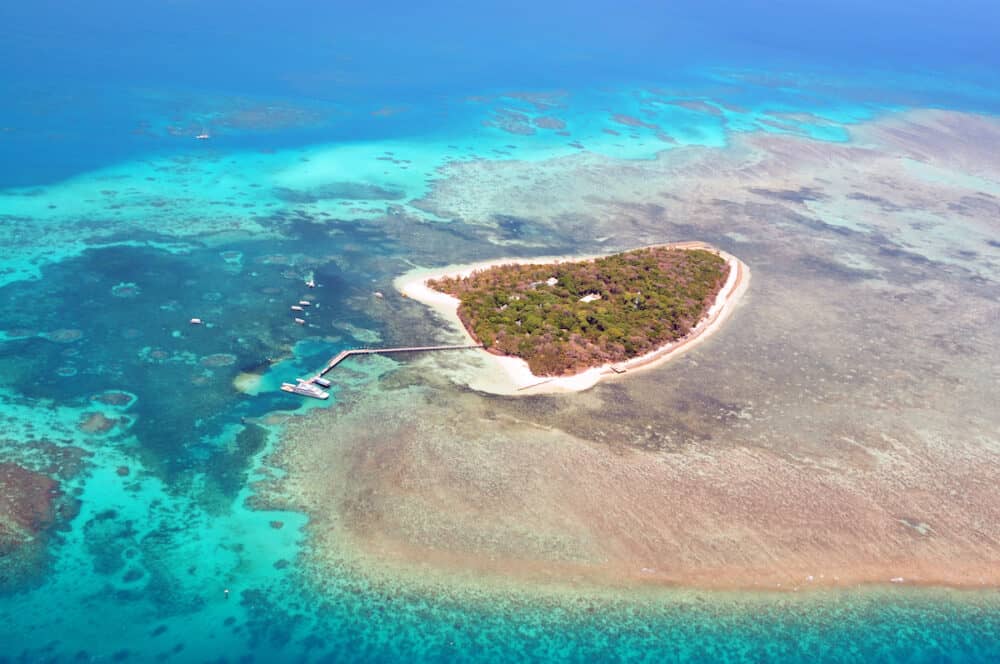
Understanding Cairns’ Tropical Climate
Before we dive into the month-by-month breakdown, let’s talk about what makes Cairns’ weather tick. Unlike most of Australia (and probably where you’re coming from), Cairns doesn’t have four distinct seasons. Instead, Tropical North Queensland operates on two main seasons: the wet season and the dry season.
The Wet Season (November to April)
Also known as the monsoon season, this period brings higher temperatures (averaging 24°C to 31°C), increased humidity, and frequent rainfall. Don’t let the name scare you off though – it doesn’t rain constantly. You’ll typically experience short, intense afternoon thunderstorms followed by sunshine. The rainforests are absolutely stunning during this time, with lush green foliage and waterfalls at their most spectacular.
The wet season is also stinger season (November to May), when box jellyfish and Irukandji can be present in coastal waters. But don’t worry – I’ll cover exactly how to stay safe while still enjoying the water.
The Dry Season (May to October)
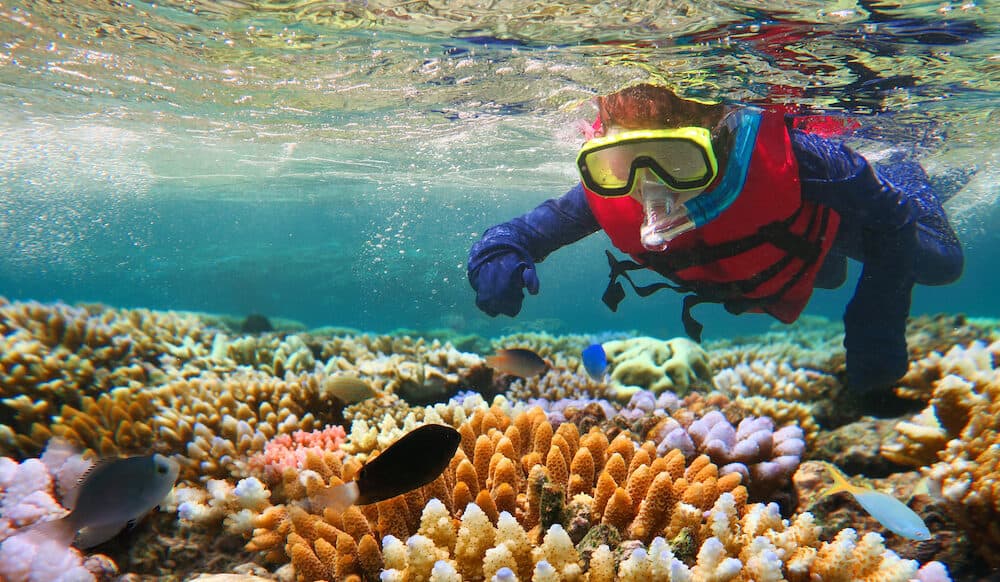
This is peak tourist season for good reason. Temperatures are comfortable (17°C to 26°C), humidity is lower, and rainfall is minimal. The skies are typically clear and sunny, making it perfect for outdoor activities. The Great Barrier Reef has excellent visibility during these months, and the calmer weather is ideal for sailing and snorkelling.
The trade-off? More crowds and higher prices, especially during Australian school holidays.
Month-by-Month Guide to Visiting Cairns
January – Hot, Humid, and Spectacular Rainforests
- Average temperature: 24°C – 31°C
- Rainfall: Highest of the year (around 400mm)
- Crowds: Lower (despite being Australian summer holidays)
January is peak wet season, and while the heat can be intense, there’s something magical about Cairns during this time. The rainforests surrounding the city are absolutely bursting with life – rivers are gushing, waterfalls are at their most dramatic, and everything is impossibly green. If you can handle the humidity, this is actually a wonderful time for rainforest tours to the Daintree and Cape Tribulation.
Solo traveler tip: The Great Barrier Reef is still phenomenal in January, with water temperatures perfect for diving and visibility up to 50 metres on good days. Tour boats are less crowded, making it easier to chat with fellow travelers.
February – The Wettest Month
- Average temperature: 24°C – 31°C
- Rainfall: Very high
- Crowds: Very low
February tends to be the wettest and hottest month in Cairns. Cyclone season is in full swing, though direct hits are relatively rare. If you’re budget-conscious and flexible, this can be a great time to score deals on accommodation and tours. Just be prepared for potential weather disruptions and have indoor backup plans.
Solo female traveler tip: The Cairns Esplanade Lagoon is your best friend during wet season – it’s stinger-free, well-lit, and always has people around. I’ve spent many February afternoons there, reading a book and cooling off without worrying about jellyfish.
March – Transition Time
- Average temperature: 23°C – 30°C
- Rainfall: Still high but decreasing
- Crowds: Low
March marks the tail end of the wet season. The rain begins to ease off, but the landscape is still lush and green. It’s still humid, but you’ll start to see more sunny days. This is a sweet spot for budget travelers who want better weather than January-February but still want to avoid the crowds.
April – The Perfect Shoulder Season
- Average temperature: 22°C – 29°C
- Rainfall: Decreasing significantly
- Crowds: Moderate (Easter holidays can be busy)
April is genuinely one of my favourite times to visit Cairns. The dry season is kicking in, temperatures are still warm but more comfortable, and the stinger season is winding down. The reef visibility is improving, and the rainforests are still looking gorgeous from all the wet season rain.
Solo traveler tip: April is excellent for outdoor activities like bungy jumping, hot air ballooning, and white water rafting – all of which are better without rain. Group tours during shoulder season tend to have a nice mix of travelers, making it easy to meet people.
May – Dry Season Begins
- Average temperature: 20°C – 27°C
- Rainfall: Low
- Crowds: Moderate
May officially kicks off the dry season. Stinger season is ending, humidity drops noticeably, and you can start to swim more freely at beaches (though I’d still recommend caution). The weather is beautiful – warm days, cool evenings, and plenty of sunshine.
This is also when minke whales start appearing around the Great Barrier Reef, with some tour operators offering swim-with-whale experiences.
June – Peak Season Begins
- Average temperature: 17°C – 26°C
- Rainfall: Very low
- Crowds: High (especially during school holidays)
June is when Cairns really shines. The weather is at its most comfortable – warm enough to enjoy the beach and reef, but not oppressively hot. Humidity is low, skies are clear, and the Great Barrier Reef has excellent visibility for snorkelling and diving.
Solo female traveler tip: June-July is when you can swim with dwarf minke whales around the Ribbon Reefs – an incredible experience that’s perfect for solo travelers as liveaboard diving trips create a natural social atmosphere where you’ll meet fellow ocean lovers.
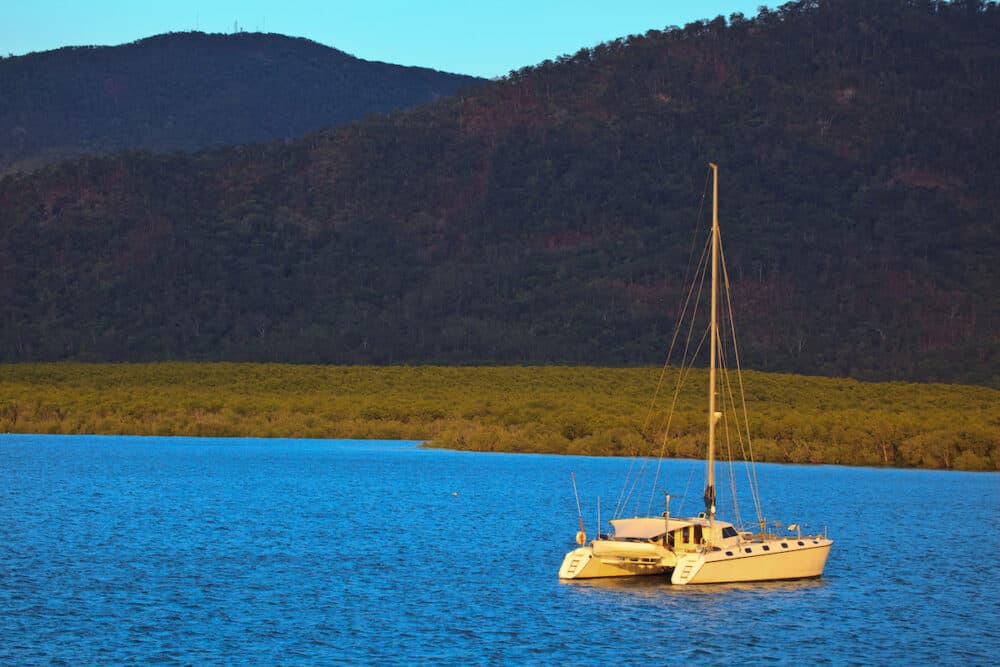
July – Whale Watching Season
- Average temperature: 17°C – 26°C
- Rainfall: Very low
- Crowds: Peak season
July is arguably the most popular month to visit Cairns. The weather is perfect, humpback whales are migrating along the coast, and every tour is operating at full capacity. Around 2,000 whales complete the annual migration to Cairns and back, giving you excellent chances of spotting these magnificent creatures.
Booking tip: If you’re visiting in July, book your reef tours and accommodation well in advance. Popular tours can sell out weeks ahead during peak season.
August – Perfect Weather Continues
- Average temperature: 17°C – 26°C
- Rainfall: Lowest of the year
- Crowds: Peak season
August is often considered the best month to visit Cairns. The humidity is at its lowest, rainfall is minimal, and temperatures are comfortable day and night. It’s also the last month of whale watching season, so you still have chances to spot humpbacks.
The annual Cairns Festival takes place in late August to early September (August 29 – September 7 in 2025), transforming the city into a vibrant celebration of art, culture, and community. It’s a fantastic time for solo travelers to experience local culture and mingle with both locals and visitors.
September – Spring Arrives
- Average temperature: 18°C – 28°C
- Rainfall: Low
- Crowds: Decreasing (good shoulder season)
September marks the transition to spring. The weather is warming up slightly, but conditions are still excellent. This is a wonderful time for wildlife watching – birds are going through their colourful mating rituals, and in the Daintree, you might spot a male cassowary with his brood of chicks.
Solo traveler tip: September offers a sweet spot of great weather with fewer crowds than July-August. Tour prices often drop slightly, and you’ll find it easier to book last-minute activities.
October – Building Heat
- Average temperature: 20°C – 29°C
- Rainfall: Increasing
- Crowds: High (school holidays)
October sees temperatures rising and humidity building as the wet season approaches. Stinger season typically begins in November, though jellyfish can appear in October, so start being cautious about ocean swimming. The reef is still excellent, and October has the longest daylight hours, perfect for maximising your activities.
Important note: October marks the beginning of stinger season on some inshore reefs. Always wear a stinger suit when snorkelling or diving during this time.
November – Coral Spawning Magic
- Average temperature: 21°C – 30°C
- Rainfall: Increasing
- Crowds: Moderate
November is special for one incredible reason: coral spawning. A few nights after the November full moon, the Great Barrier Reef puts on one of nature’s most spectacular shows. Millions of coral polyps simultaneously release eggs and sperm into the water, creating an underwater “snowstorm” that Sir David Attenborough described as “one of the greatest of all natural spectacles.”
If you’re a certified diver and want to witness this once-a-year phenomenon, November is your month. Liveaboard tours offer the best chance to experience it.
December – Summer Begins
- Average temperature: 23°C – 31°C
- Rainfall: High
- Crowds: High (Christmas holidays)
December marks the beginning of the wet season and Australian summer holidays. It’s hot, humid, and often rainy – but also festive and vibrant. The reef is popular with divers at this time, as water temperatures are perfect and marine life is active (it’s breeding season for many reef fish).
Solo female traveler tip: If you’re spending Christmas in Cairns alone, don’t worry! The hostel scene is buzzing with other solo travelers, and many tour operators run special Christmas Day trips to the reef where you’ll meet plenty of like-minded adventurers.
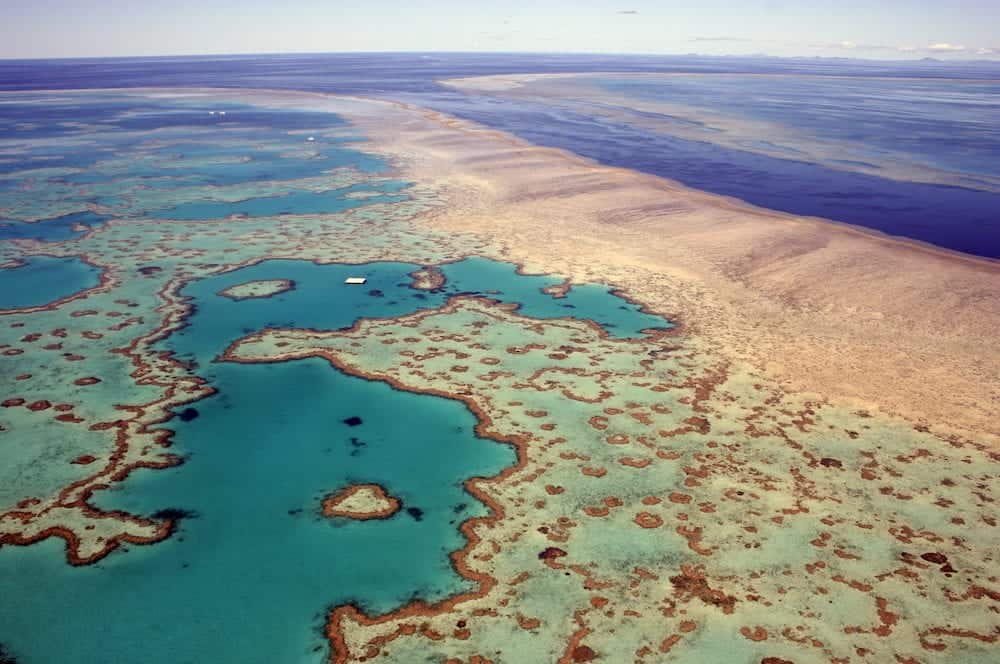
Understanding Stinger Season: What You Need to Know
Let’s address the elephant in the room – or rather, the jellyfish in the water. Stinger season (November to May) is something every Cairns visitor should be aware of, but it absolutely shouldn’t stop you from enjoying the water.
The Two Dangerous Species
Box Jellyfish: Large, translucent jellyfish with tentacles up to 3 metres long. Their sting can be extremely dangerous and potentially life-threatening.
Irukandji: Tiny (about the size of a fingernail) but can cause severe symptoms. They’re harder to spot due to their small size.
How to Stay Safe
- Swim at patrolled beaches with stinger nets: During stinger season, nets are installed at beaches including Palm Cove, Trinity Beach, Clifton Beach, Kewarra Beach, Yorkeys Knob, and Ellis Beach.
- Wear a stinger suit: All reputable reef tour operators provide these full-body lycra suits. They’re comfortable, protect you from stings, and also provide sun protection.
- Enter water slowly: Give stingers time to move away before you start swimming.
- Use the Cairns Esplanade Lagoon: This saltwater swimming pool is stinger-free year-round and perfect for a safe swim.
- Explore freshwater alternatives: The Atherton Tablelands and Daintree Rainforest have beautiful swimming holes that are completely stinger-free.
The bottom line: I’ve visited Cairns during stinger season many times and always enjoyed the water safely. The risk on the outer Great Barrier Reef is much lower than coastal beaches, and with proper precautions, there’s no reason to avoid visiting during these months.
Cairns for Solo Travelers: Why It’s One of My Favourite Destinations
I’ll be honest – Cairns is one of the easiest and most rewarding places I’ve ever traveled solo. The city has a strong backpacker culture, incredibly friendly locals, and an activity-focused atmosphere that naturally brings travelers together.
Why Cairns is Perfect for Solo Travel
- Tour-based activities: Most Cairns experiences – reef trips, rainforest tours, waterfall adventures – are group activities. You’ll naturally meet other travelers without having to make awkward small talk.
- Easy navigation: The city is compact and walkable, with reliable public transport to nearby beaches and attractions.
- English-speaking: No language barrier to worry about.
- Strong solo traveler community: Over 70% of participants on many reef tours are traveling solo, creating perfect conditions for making connections.
- Excellent hostel scene: If you’re on a budget, Cairns has some of Australia’s best hostels with social activities and communal spaces.
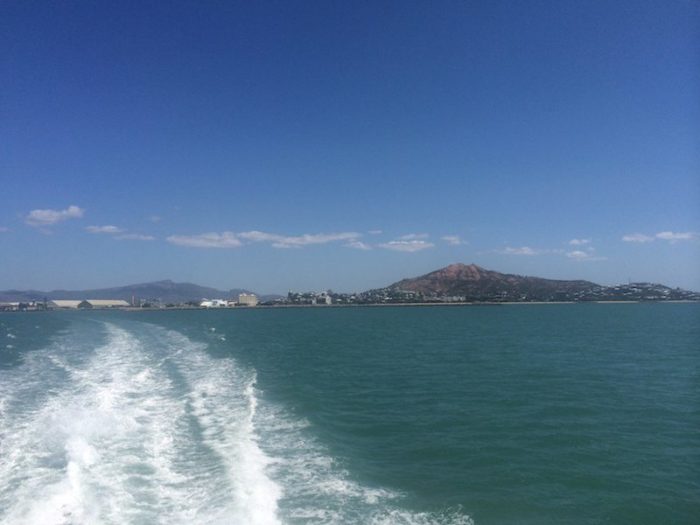
Solo Female Travel in Cairns: Safety Tips and Seasonal Considerations
As a solo female traveler, Cairns consistently ranks among my top Australian destinations. It’s safe, welcoming, and full of activities that are perfect for independent women. Here’s what you need to know for each season:
Dry Season (May-October) for Solo Women
- More people around – the higher tourist numbers mean more populated beaches, trails, and attractions
- Better weather for evening activities – lower humidity makes walking the Esplanade at sunset comfortable
- Fuller tour groups – easier to blend in and meet other travelers
- Book accommodation early – competition for solo-friendly rooms is higher
Wet Season (November-April) for Solo Women
- Fewer tourists – can feel more isolated in some areas, but also more authentic
- Lower prices – easier to upgrade to private rooms or better accommodations
- Smaller tour groups – more personal attention from guides
- Stay central – the Cairns CBD and Esplanade area remain well-lit and populated year-round
- Join group tours – rather than exploring remote areas alone, stick to organized activities
My Top Safety Tips for Solo Female Travelers in Cairns
Stay in the central areas: The Cairns CBD, Esplanade, and Northern Beaches (Palm Cove, Trinity Beach) are safe and well-patrolled. I’ve walked the Esplanade alone after dark many times and always felt comfortable.
Choose reputable tour operators: Cairns has strict tourism regulations, and most operators are professional and safety-conscious. I’ve done numerous reef trips alone and always felt looked after by the crew.
Use the buddy system on tours: When snorkelling or diving, pair up with another traveler. Tour guides often facilitate this, but don’t be shy about asking someone to be your snorkel buddy.
Trust your instincts: Like anywhere, if something doesn’t feel right, remove yourself from the situation. Cairns is generally very safe, but normal travel awareness applies.
Consider female-friendly accommodations: Several hostels offer female-only dorms if you prefer, though I’ve found mixed dorms in Cairns to be perfectly comfortable.
Best Activities by Season
Dry Season Highlights (May-October)
- Great Barrier Reef snorkelling and diving with excellent visibility
- Hot air ballooning over the Atherton Tablelands
- Whale watching (July-August)
- Swimming with dwarf minke whales (June-July)
- Sailing and island hopping
- Bungy jumping and adventure activities
- Beach swimming without stinger concerns
Wet Season Highlights (November-April)
- Rainforest tours – Daintree and Cape Tribulation at their lushest
- Waterfall chasing – flows at their most spectacular
- White water rafting – rivers are pumping
- Coral spawning (November)
- Reef diving with warm water and active marine life
- Kuranda Skyrail through misty rainforest
- Freshwater swimming holes in the Tablelands
Practical Tips for Planning Your Cairns Trip
What to Pack for Each Season
Year-round essentials: reef-safe sunscreen (very important!), swimsuit, hat, sunglasses, insect repellent, light walking shoes
Dry season additions: light layers for cooler evenings, a light jacket or cardigan
Wet season additions: waterproof jacket or umbrella, quick-dry clothing, moisture-wicking fabrics, waterproof bag for electronics
Budget Considerations by Season
- Most expensive: July-August and December-January (school holidays)
- Most affordable: February-March
- Best value: April-May and September-October (good weather, moderate prices)
Booking Tips
- Peak season (June-August): Book reef tours and popular activities 2-4 weeks in advance
- Shoulder season (April-May, September-October): 1 week advance booking usually sufficient
- Low season (November-March): Often possible to book last-minute, with discounts available
- Whale watching and coral spawning: Book as early as possible – these seasonal activities fill up quickly
Frequently Asked Questions
Final Thoughts: When Should You Visit Cairns?
Here’s my honest take after years of visiting Cairns in every season: there really is no bad time to visit. Each season offers something unique, and the Great Barrier Reef is spectacular year-round.
If I had to choose, I’d recommend the shoulder seasons (April-May or September-October) for most travelers. You get excellent weather, manageable crowds, and reasonable prices. But if whale watching or coral spawning are bucket-list experiences for you, plan around those specific windows.
For solo travelers, especially solo female travelers, Cairns is a dream destination any time of year. The tour-based nature of activities means you’ll never feel alone (unless you want to), and the laid-back tropical vibe makes it easy to relax and enjoy your own company.
Whatever time you choose to visit, the Great Barrier Reef will take your breath away, the rainforests will enchant you, and you’ll leave planning your return trip.
Happy travels!
Sam x
Planning your Cairns adventure? Check out these related guides:
- Best Tours for Solo Female Travelers in Cairns
- Great Barrier Reef Tours from Cairns: A Complete Guide